By Alex Frantz, Midwest Foods' Director of Local & Sustainability
The National Farm Viability Conference in Albuquerque was a great reminder that growing great food is only one part of running a successful farm. Farmers are navigating severe weather, price volatility, economic pressures, and changing community dynamics, all while making long-term decisions about their businesses. The conversations throughout the conference reinforced something we see in our own work at Midwest Foods: farm viability depends on connecting production with business support, reliable markets, and the resources to invest in the future.
One especially compelling takeaway was the value of business advising. Farms lag behind other businesses in five-year survival rates, but one presentation highlighted that farmers who receive business advising have an 87% ten-year survival rate. It was a powerful reminder of why accessible, specialized technical assistance matters and why supporting farmers means investing in their businesses, not just their production.
A standout session, When Does Wholesaling Work? Helping Your Farms Understand Wholesale Readiness and Costs of Distribution, explored the practical considerations that determine whether wholesale is the right fit for a farm: food safety, customer service, capital improvements, operational expenses, and distribution. These are important conversations for us as we work to connect growers with new markets and help both farms and buyers understand what it takes to make those relationships successful over the long term.
We also got to hear firsthand about the ALBA Organics model in California, which inspired Windy City Harvest. ALBA’s incubator farmers sell into Coke Farms, one of our specialty California farm partners. It was exciting to see connections between the work happening in California and here in our own region, and a reminder that supporting emerging growers requires both opportunities to build farming skills and pathways into viable markets.
During a session on equitable farmland tenure and purchase, our friends at The Conservation Fund gave us a shoutout while discussing the importance of markets within their Buy, Support, Protect, Sell model. Their work helps preserve farmland under development pressure near urban centers and transition it to the next generation of farmers. It was great to see market development recognized as an essential part of farmland preservation. Protecting the land is a critical first step, but farmers also need a reliable way to sell what they grow to make staying on that land possible.
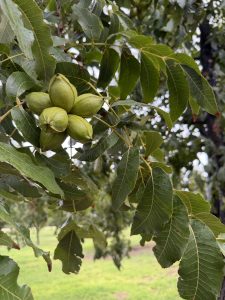
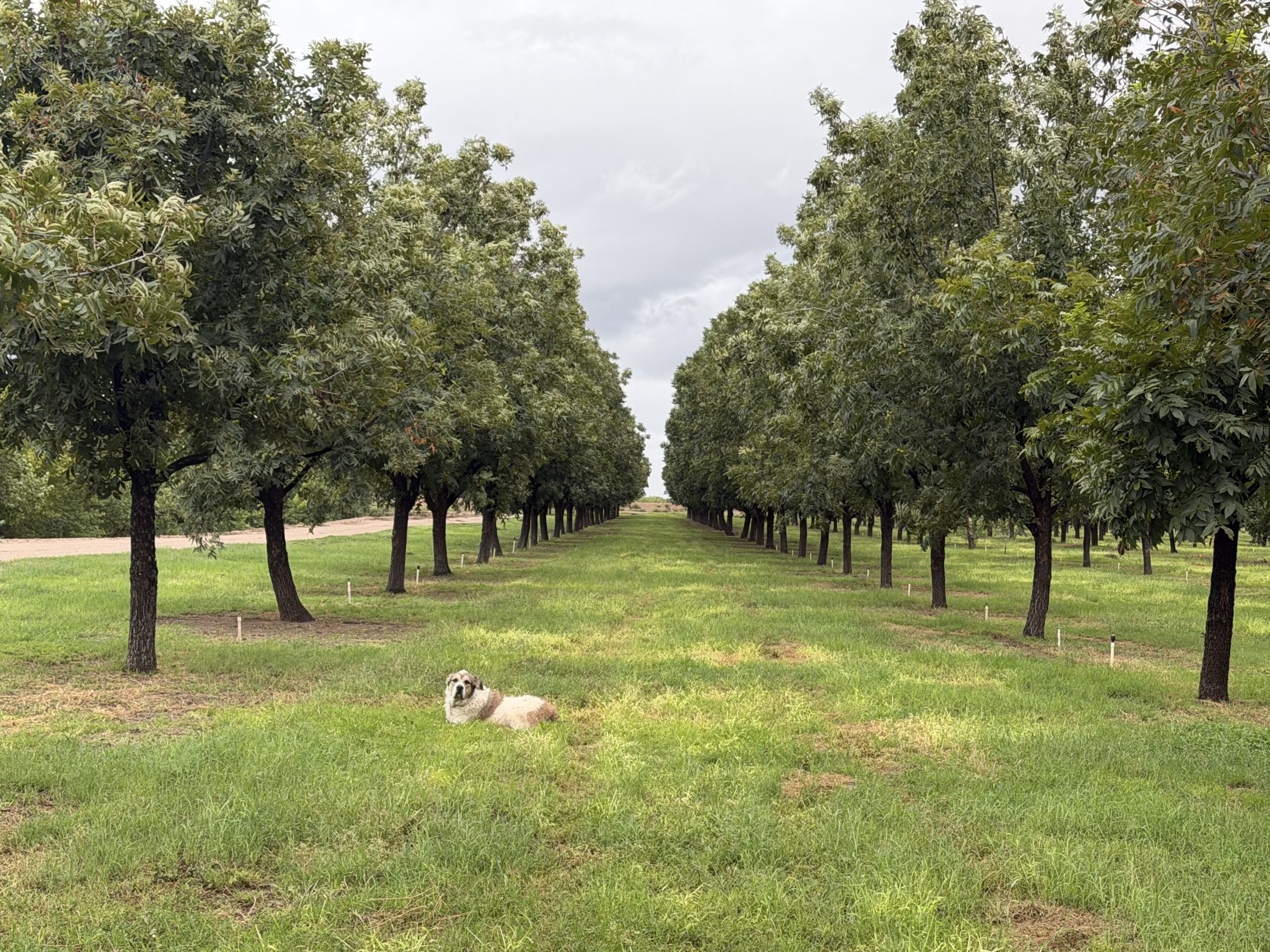
A tour of a New Mexico pecan farm brought the business realities of crop diversification to life. With much of the valley devoted to alfalfa and forage crops, pecans offered a potentially more profitable alternative but required significant upfront investment: trees take about five years to produce, and it can take seven to eight years of production to pay the bills. The farm harvests its 400 acres over roughly 25 days each year, shaking trees and collecting pecans in windrows much like a potato harvest. Success depends on water access, production costs, harvest timing, and reliable end markets, including holiday products like candied pecans. The takeaway was clear: choosing a crop requires as much business planning as agricultural expertise. The farm is also seeing promising results from regenerative practices. As the farmer put it, “Farming is about as settled as medicine. We learn something new every day.”
I came away from Albuquerque thinking about how closely these conversations connect to the work we do every day. Whether we’re helping an emerging grower reach wholesale markets, working with partners to preserve farmland, or connecting customers with products from farms across the country, we’re part of a much larger network that helps determine whether farms can thrive. The conference was a valuable opportunity to learn from peers, see innovative approaches in practice, and reinforce the importance of building a food system where farmers have both the land and the markets they need to succeed.
Alex Frantz
Director of Local & Sustainability, Midwest Foods
Leads Midwest Foods’ local sourcing and sustainability programs, connecting farms with chefs and institutions to build a values-driven food system. She oversees supply chain development, food waste reduction, and responsible sourcing initiatives, and serves in leadership roles with Green City Market and multiple regional and national sustainability councils.