Leadership, agriculture, and community lessons from the national workshop for women in food and beverage
What I Brought Home from Charleston: FAB, New Friends, and a Full Notebook
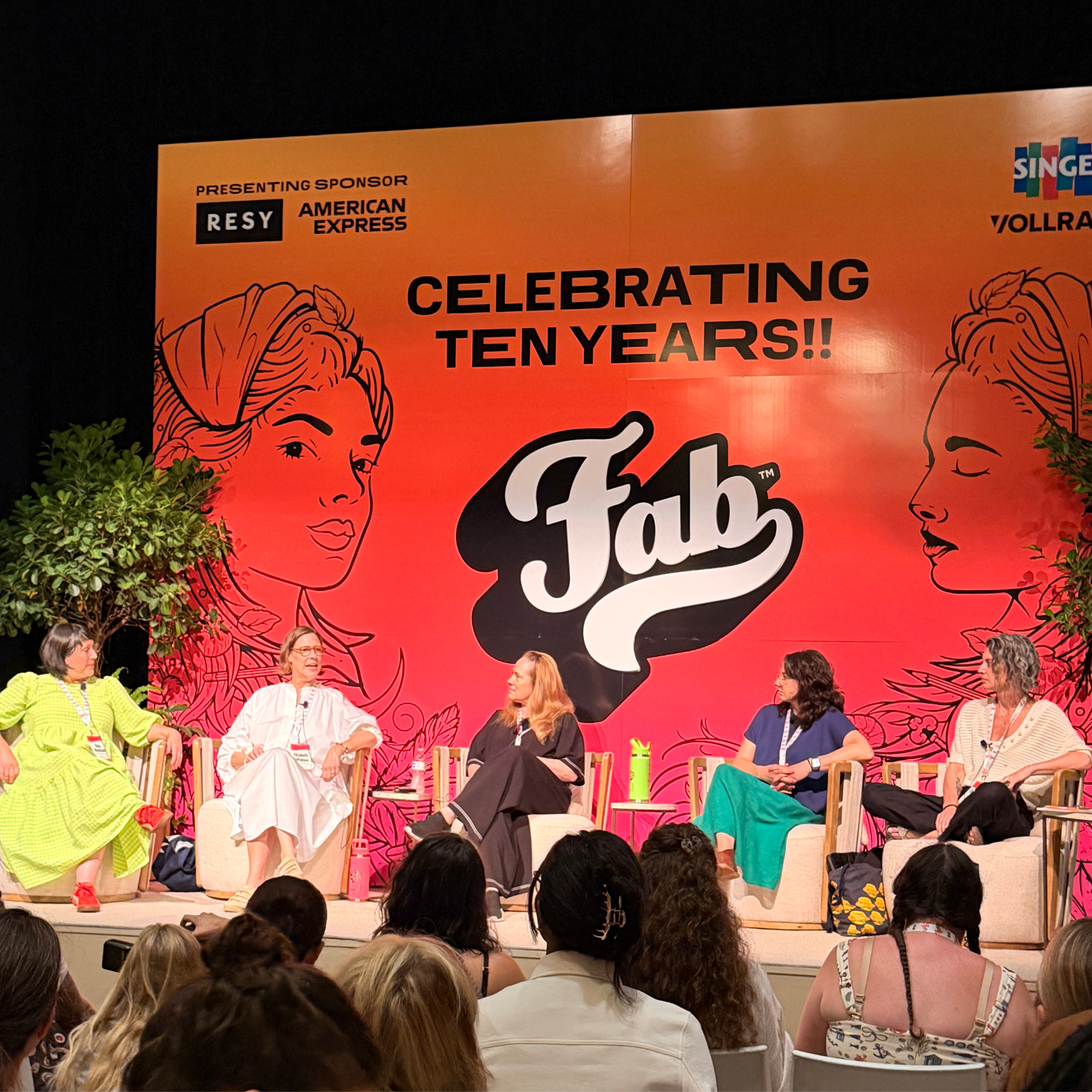
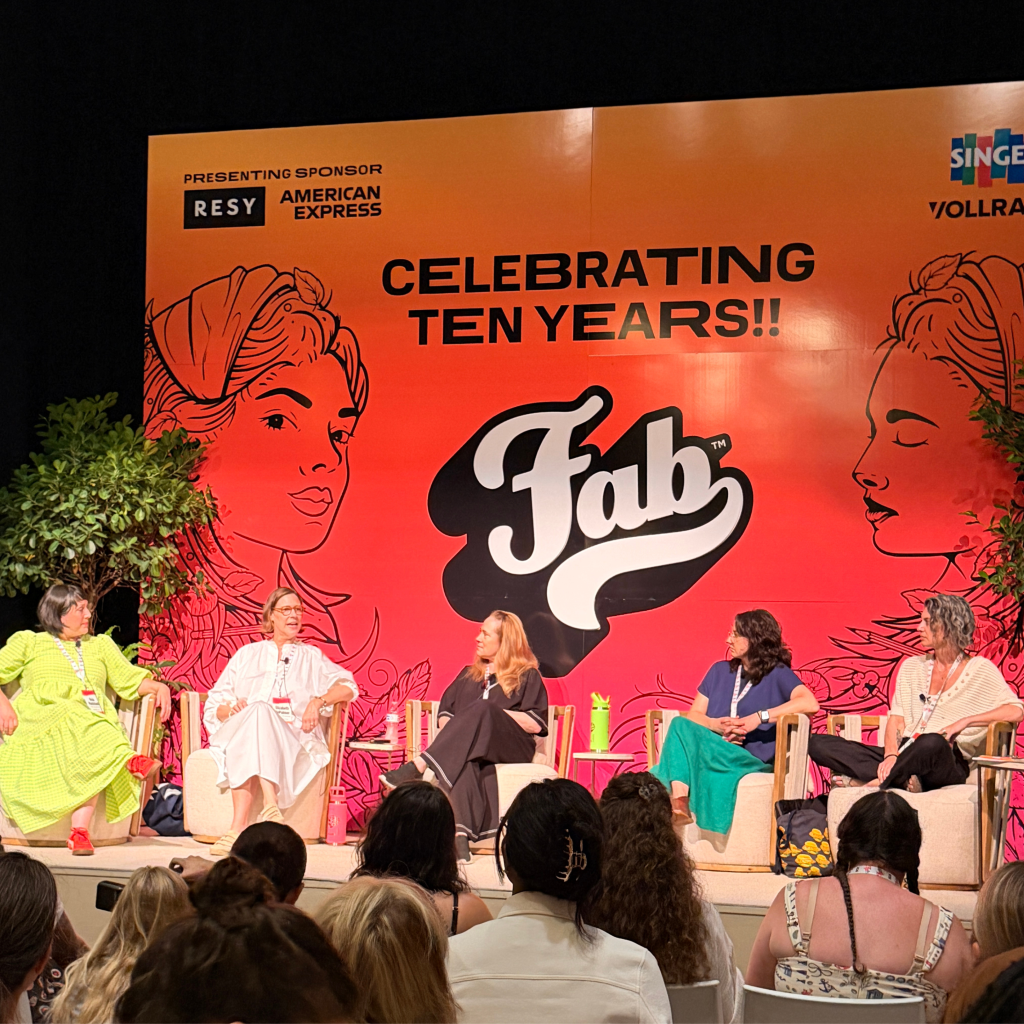
There are conferences you attend, and then there are trips that stay with you. Last week I was in Charleston for FAB, a national business workshop created by women, for women in food and beverage. Founded by hospitality veteran Randi Weinstein and now celebrating its 10th year, FAB brought together a sold-out crowd of 500 women and more than 70 speakers from across the industry. As a women- and family-owned company, supporting rooms like this is part of who we are at Midwest Foods.
I gave myself the gift of arriving early: time to explore the city, share meals, and connect with women in the industry there before the sessions even began. By the time FAB kicked off, Charleston already felt like a place full of friends. What followed was honest conversation, sharing, and connection with women in hospitality from every corner of the country. I came home with a notebook full of tactics, and more than that, I came home reminded of why gathering with women in this industry matters so much.
Here’s what stuck with me:
Women in Agriculture + Biodiversity
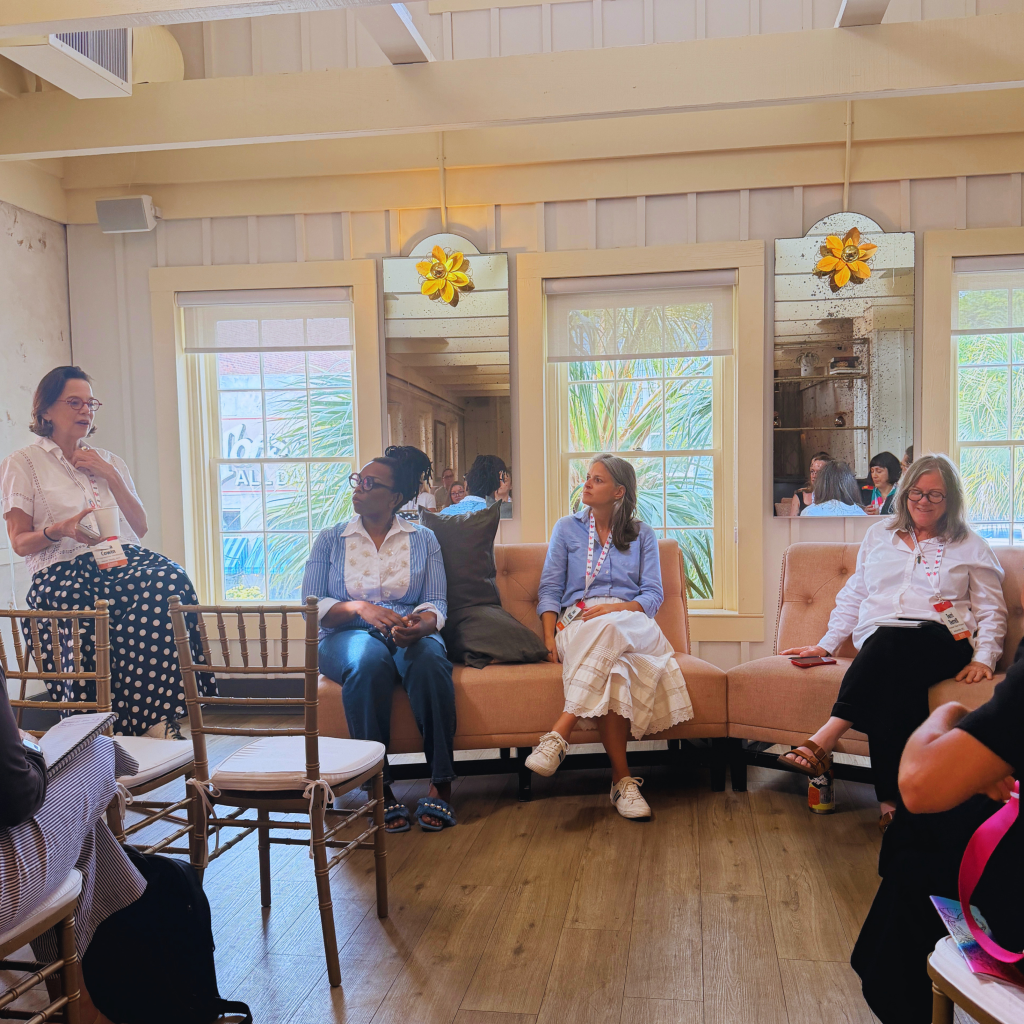
If you care about where food is going, this was the panel I haven’t stopped thinking about. The lineup alone tells you how seriously FAB takes this topic: Dana Cowin was the moderator – the longtime former Editor-in-Chief of Food & Wine, now the founder of Progressive Hedonist, a platform built around fighting the climate crisis through food and joy. The voices sharing were Chef Adrian Lipscombe of Uptowne Cafe & Bakery and founder of the 40 Acres Project; Ann Marshall of Charleston’s High Wire Distilling; Jenni Harris of White Oak Pastures; and Terri Terrell, Culinary Director of the Utopian Seed Project. Their message: preserving agrobiodiversity isn’t a nostalgia project. It’s the root of innovation on farms and across supply chains, championing diverse crops and practices to strengthen sourcing strategies that benefit people, communities, and the planet.
A few facts they shared that put things in perspective: in today’s commodity food system, a farmer receives roughly 14 cents of every food dollar. The average age of an American farmer is approaching 60. And we’re losing farms and farmland at a pace worth paying attention to for anyone who eats.
The panel also reframed the definition of “local,” which is always interesting in the context of our work at Midwest Foods and our place in the food system at large. Everywhere you turn, local farms are touched by forces far beyond their fence lines, from trade policy to the New World screwworm, dormant since the 1960s and now creeping toward Texas cattle country. Meanwhile, consolidation has narrowed the choices we think we have: roughly 85% of beef packing in America happens at just four companies, two of them foreign-owned, and post-WWII commoditization shifted agriculture from pursuing the highest quality to meeting a minimum standard. The empowering flip side: policy change can happen at the hyper-local level, and it starts with getting to know the decision makers in your community in casual environments. As one panelist put it, no one likes being asked for a favor by a stranger. Relationships first, always.
The most candid part of the conversation was about funding, which the panel named as the greatest challenge facing this work. Farmers and food organizations described grant applications stalling over the very words that define their missions: diversity, sustainability, regenerative, even “women.” One panelist shared that after her application for a grant was initially denied, she ran it through AI just to change those key words, and it was accepted following a second submission. The question hanging over the room, “do we give in?”, doesn’t have an easy answer. Some are choosing to step away from federal grants entirely; others noted that even partnering with organizations that hold federal grants comes with new considerations. The practical takeaway was unanimous: diversify your funding sources.
Far from doom and gloom, though, the panel was also full of hope and ingenuity. I was especially taken with the work of the Utopian Seed Project, the Western North Carolina nonprofit behind the Trial to Table event series, which Terri herself oversees, so we heard about it straight from the source. Trial to Table presents experimental crop trials directly to chefs, who create dishes from the trial crops for ticketed, educational food events where the farmer talks about the crop and its challenges, attendees taste the different varietals side by side, and community gets built around the table. Sometimes these farmer-to-table dinners are the first time the farmers have ever tasted their own crop prepared by a chef. Their ultracross collard work, crossing multiple varietals for resilience, productivity, and year-round growing, is a glimpse of what the future of food could look like: diversity as the key to everything.
I left thinking hard about how to bring this model home. We already work with a network of farm partners across the Midwest, so what would it look like to build something like Trial to Table with them – connecting our growers and chefs the same way, around our own table? That idea is coming back with me.
What makes that kind of model worth chasing is that the economics of local and heirloom varietals can actually work. High Wire Distilling’s Jimmy Red corn is proof that value-added crops can command seven to nine times the commodity price when chefs, farmers, distillers, and communities connect directly. That same spirit of connection ran through my favorite moment of the whole panel, which happened off-stage: meeting Claudine Nayan of Amber Waves Farm, the teaching farm in Amagansett, New York, and hearing how they’re helping people build farming businesses that actually work. It tied a bow on the throughline of the entire conversation: chefs need to know how things grow, and curiosity is the most renewable resource we have.
Grace Under Pressure
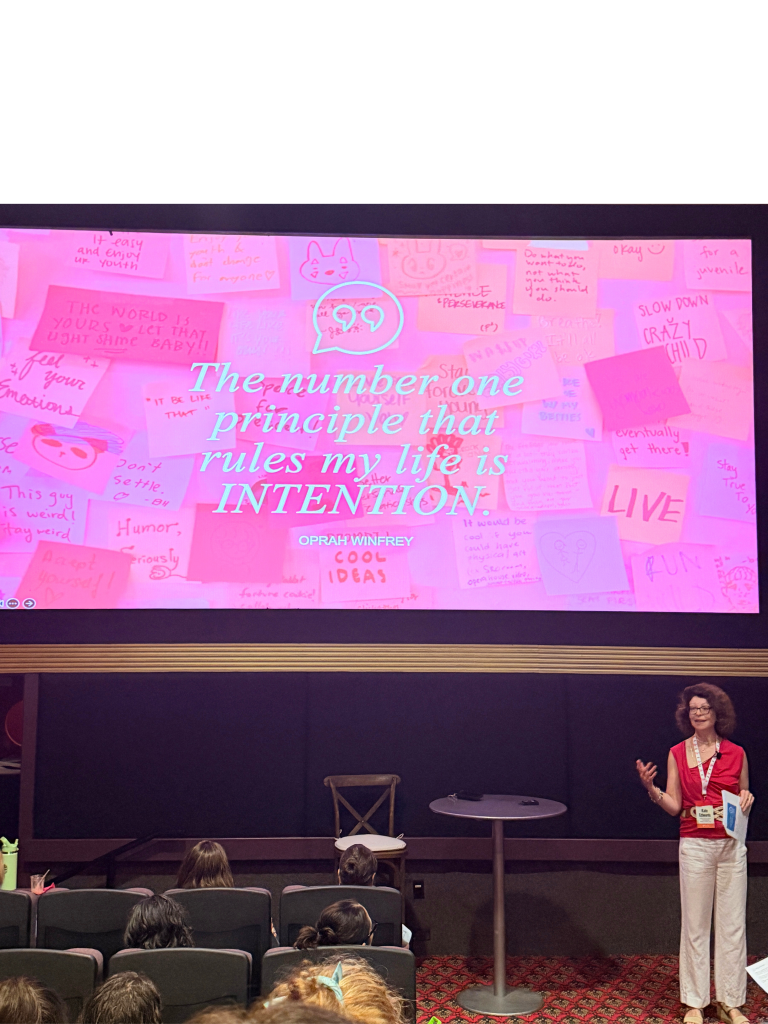
Kate Edwards (kateedwardscompany.com) led a session on cultivating leadership presence: what leadership is actually made of, the behaviors great leaders reach for, and how to stay composed when it matters most. She broke presence down into three elements: communication (how you speak), gravitas (how you act), and appearance (how you look). The biggest takeaway for me: presence isn’t a personality trait you’re born with. It’s a set of behaviors you can identify, practice, and protect, so that when the pressure hits, you can stand in your power and your authenticity at the same time.
A few notes I’m carrying home: lead with curiosity (I always do!). Happiness is contagious and it’s motivating. Consistency is calming. The only way to control your response is to breathe and pause. And the Cory Booker quote she shared, which sums it all up: “Leadership is not a position or a title. It is action and example.”
Leadership that Lasts
This was a conversation moderated by Cat Bill, about wellness, mental health, and the non-negotiables women in this industry must protect in order to care for their teams, their businesses, and themselves. The questions alone were worth the trip:
What are your non-negotiables? What’s one boundary you wish you’d set earlier? What’s one habit you can protect no matter what? What’s one mindset shift that changed your leadership, and are you still able to honor it? And the one I keep coming back to: do I still love the “why”?
The answers in the room were refreshingly unglamorous. Stretch. Sleep. Hydrate. Sometimes leadership that lasts is built on the most basic things, fiercely protected.
Giving & Receiving Feedback
This panel, moderated by Western North Carolina food writer and Milk Glass Pie baker Keia Mastrianni, featuring Christine Cikowski of Chicago’s own Honey Butter Fried Chicken, hospitality consultant Elizabeth Meltz, Eli DePalmer of San Francisco’s Atomic Workshop restaurant group (State Bird Provisions, The Progress, The Anchovy Bar), and Leslie Ferrier, VP of HR at STARR Restaurants, offered practical tools for the conversations most of us avoid. The four-part framework recommended: request the time and get consent for the conversation, focus on factual behavior, name the impact, and conclude with a question. Equally useful was the work on receiving feedback: recognizing whether you’re experiencing a truth trigger, a relationship trigger, or an identity trigger, and then asking whether there’s validity in the feedback once you get past your own defensiveness.
My favorite reminder: all feedback is information, and gratitude is feedback too. Take notes on the positive things. Your team will feel the difference.
A Toast at Shokudo
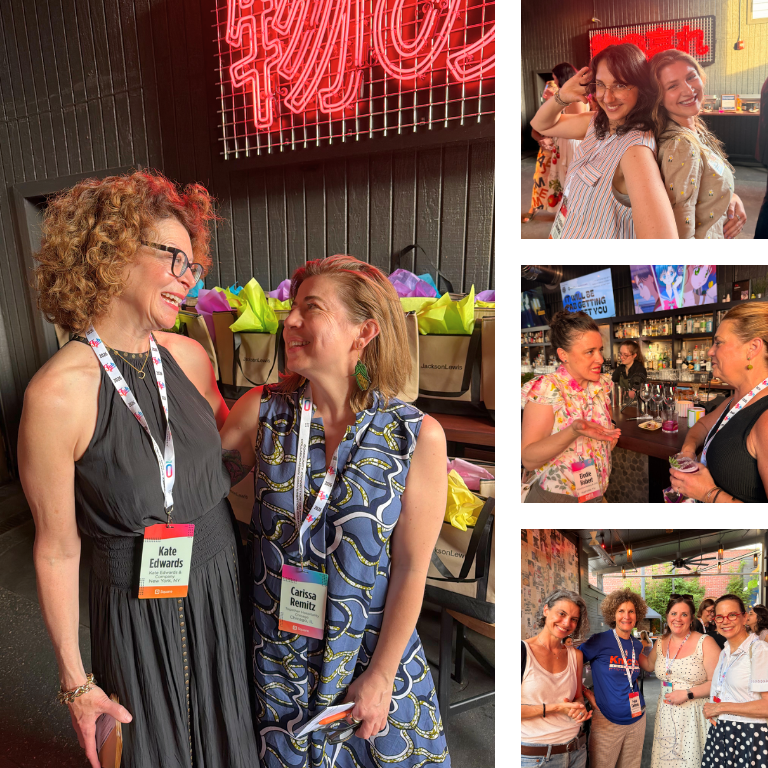
On behalf of Together Hospitality and our chapters in Chicago, Nashville, and New York, we also had the joy of hosting an event at Shokudo in downtown Charleston, welcoming incredible hospitality leaders from across the country. The space was gorgeous, the conversations were even better, and it was a powerful reminder of why I helped build Together Hospitality in the first place: this industry runs on relationships, and women in hospitality deserve rooms built for connection, candor, and community.
Tasting Charleston
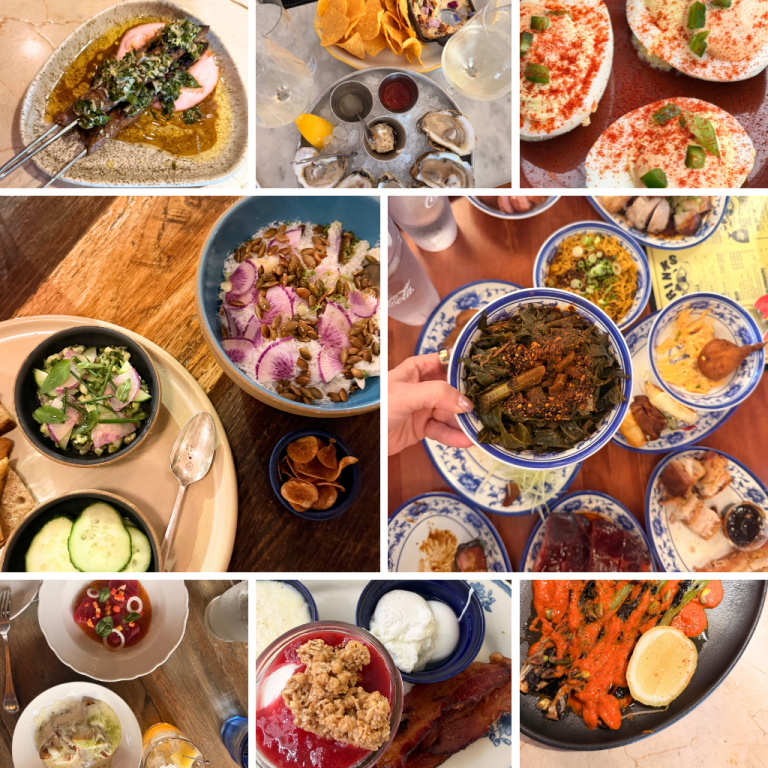
You can’t spend any time in Charleston and not talk about the food, so here’s a love letter to the meals between and surrounding sessions. I landed and went straight to Berkeley’s for a Greek salad with shrimp and a slushy half-and-half of Pinot Freezio and frozen sangria — the perfect way to shake off a flight. At Estadio, Chef Jeremy Gozlan cooked tapas right in front of us; our favorites were the moruno (lamb skewers) and the calçots, spring onions you’re obligated to eat with your hands. I caught a dusk-lit glass of crisp Pullus Pinot Grigio and deviled eggs on the patio at Sonder Wine Bar, a lovely new addition to the scene, and chased down $1.50 oysters and the baked crab dip at happy hour at The Darling Oyster Bar.
The highlights kept coming. The Ordinary served a tuna crudo with peaches and basil that was the perfect summery bite. Breakfast at Poogan’s Porch came with a rhubarb and red berry parfait that was practically a meal on its own, alongside eggs, grits, and sausage. King BBQ was delicious gluttony — “Chinatown BBQ made with Southern smoke,” meaning bite after bite of smoked and grilled ribs, smoked duck, collard greens, five-spice chicken, and more. Beautiful South won me over with shrimp and snow peas and a thoughtfully labeled, largely gluten-free menu. And Chubby Fish was the finale to end all finales: my faves were the grilled oyster with crab fat curry and cashews, and a celery salad that blew me away. As someone who spends her days thinking about great produce and where it comes from, eating my way through a city this committed to its ingredients was its own kind of research.
Carissa Remitz
Director of Marketing & PR, Midwest Foods
Carissa has spent her career at the intersection of food and storytelling, from early years in food and wine journalism after graduating from culinary school, to nearly two decades leading PR and marketing for top hospitality brands. She’s also co-founder and Chapter Director of Together Hospitality Chicago, a network supporting the Chicagoland restaurant community.