Takeaways from the 2026 ReFED Food Waste Solutions Summit
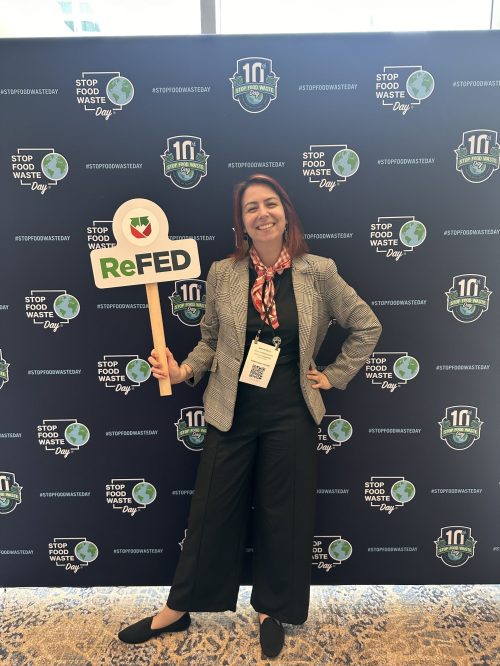
Food waste remains one of the biggest challenges and opportunities facing our food system. That’s why Midwest Foods was proud to be part of the 2026 ReFED Food Waste Solutions Summit in Charlotte, where sustainability leaders, food businesses, nonprofits, investors, and innovators gathered to share solutions, celebrate progress, and explore what’s next in the fight against food waste.
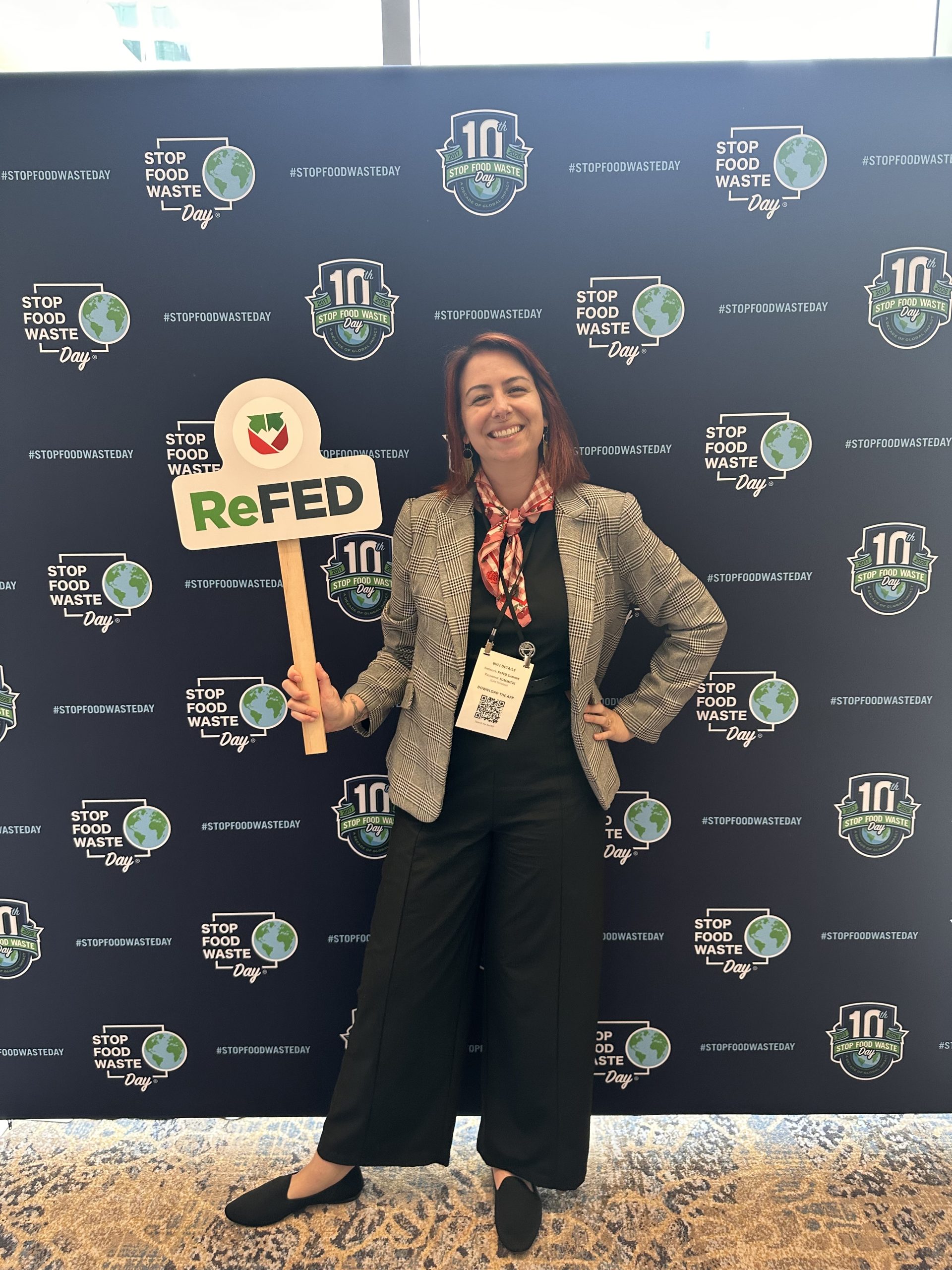
Midwest Foods was the second food distributor in the country to join the U.S. Food Waste Pact when we signed on, a national voluntary agreement that helps food businesses reduce waste through its Target, Measure, Act framework: setting goals, tracking progress with data, and implementing action to meet them. That commitment brought our Director of Local & Sustainability, Alex Frantz, to this year’s Summit to connect with fellow signatories working to build a more sustainable and resilient food system.
Collaboration Accelerates Change
The week began with an in-person meeting of the U.S. Food Waste Pact, where members shared successful pilot projects, reporting strategies, and opportunities for deeper collaboration, including work through the Supplier Engagement Task Force.
The momentum was clear. Over the past year, the U.S. Food Waste Pact nearly doubled in size, and over the past decade, more companies have made public food waste commitments and more states have adopted food waste diversion policies.
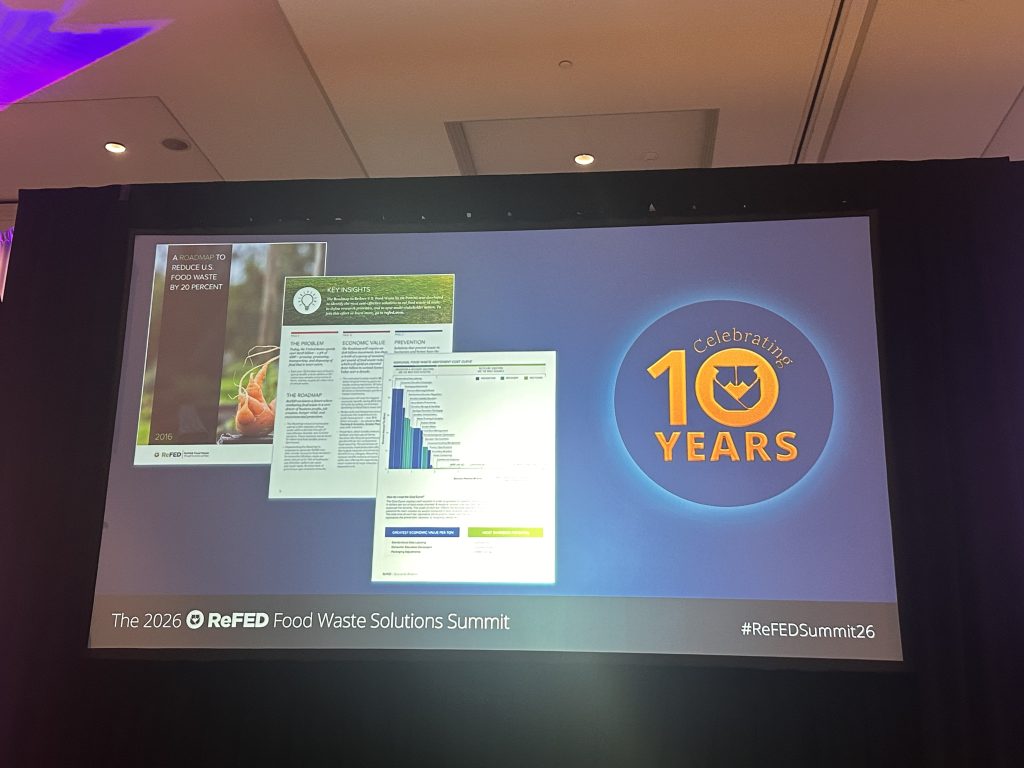
This year’s Summit marked the 10-year anniversary of ReFED’s original roadmap to reduce food waste in the United States. It was a milestone that highlighted both how far the industry has come and how much opportunity remains. Speakers challenged attendees to think bigger: moving beyond waste diversion and toward designing waste out of the food system altogether.
Prevention in Action
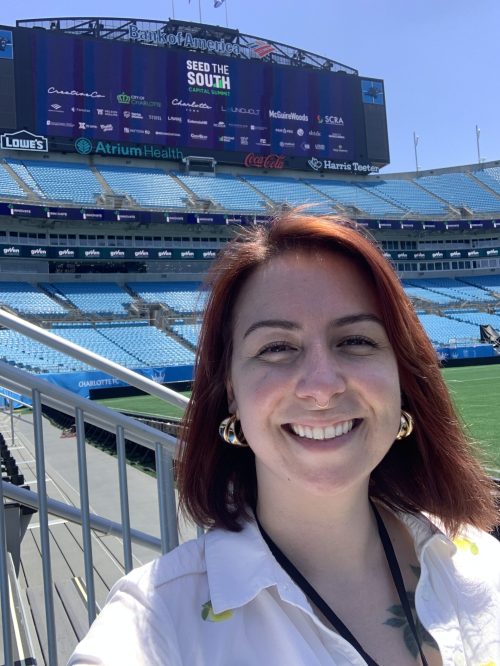
A conference highlight was a behind-the-scenes tour of Bank of America Stadium with the Levy hospitality team. The tour showed how forecasting food needs based on event type and weather, alongside expanding diversion programs, can help prevent waste before it occurs.
Innovation Took Many Forms
From thought-provoking panels to Chef Andrew Zimmern’s live demonstration on utilizing upcycled by-products like fish heads to build an incredible dish, the Summit reinforced just how creative food waste solutions can get, spanning technology, analytics, policy, and culinary ingenuity alike.
What It Means for Midwest Foods and Our Customers
As a distributor, Midwest Foods sits at a critical intersection of the food system. We work closely with growers, producers, chefs, operators, and community partners, giving us a unique opportunity to help reduce waste at multiple points throughout the supply chain.
The insights shared at ReFED reinforce initiatives already underway at Midwest Foods: strengthening local supply chains, improving inventory planning, and identifying opportunities to maximize product utilization. This mindset also aligns with our broader sustainability efforts, including our work with local growers, food donation partners, composting and anaerobic digestion programs, and our ongoing commitment through the U.S. Food Waste Pact.
For our customers, food waste reduction isn’t just a sustainability goal. It’s a business opportunity. Every case that is accurately forecasted, every product that is fully utilized, and every pound of food kept out of the waste stream creates value throughout the supply chain.
The Summit reinforced something we believe strongly at Midwest Foods: reducing food waste is not separate from business performance. It is a key part of it. The more efficiently we move food through the supply chain, the more value we create for growers, operators, communities, and the environment.
We’re excited to continue this work and to welcome many of these food system leaders to Chicago for next year’s Summit.
This article was written by the Midwest Foods Editorial Team based on notes, observations, and insights shared by Alex Frantz following the 2026 ReFED Food Waste Solutions Summit.
Alex Frantz
Director of Local & Sustainability, Midwest Foods
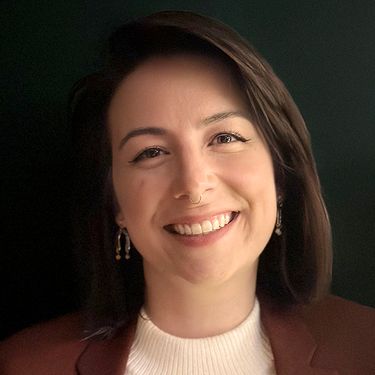
Leads Midwest Foods’ local sourcing and sustainability programs, connecting farms with chefs and institutions to build a values-driven food system. She oversees supply chain development, food waste reduction, and responsible sourcing initiatives, and serves in leadership roles with Green City Market and multiple regional and national sustainability councils.